

- Description
- Curriculum
- FAQ
- Reviews
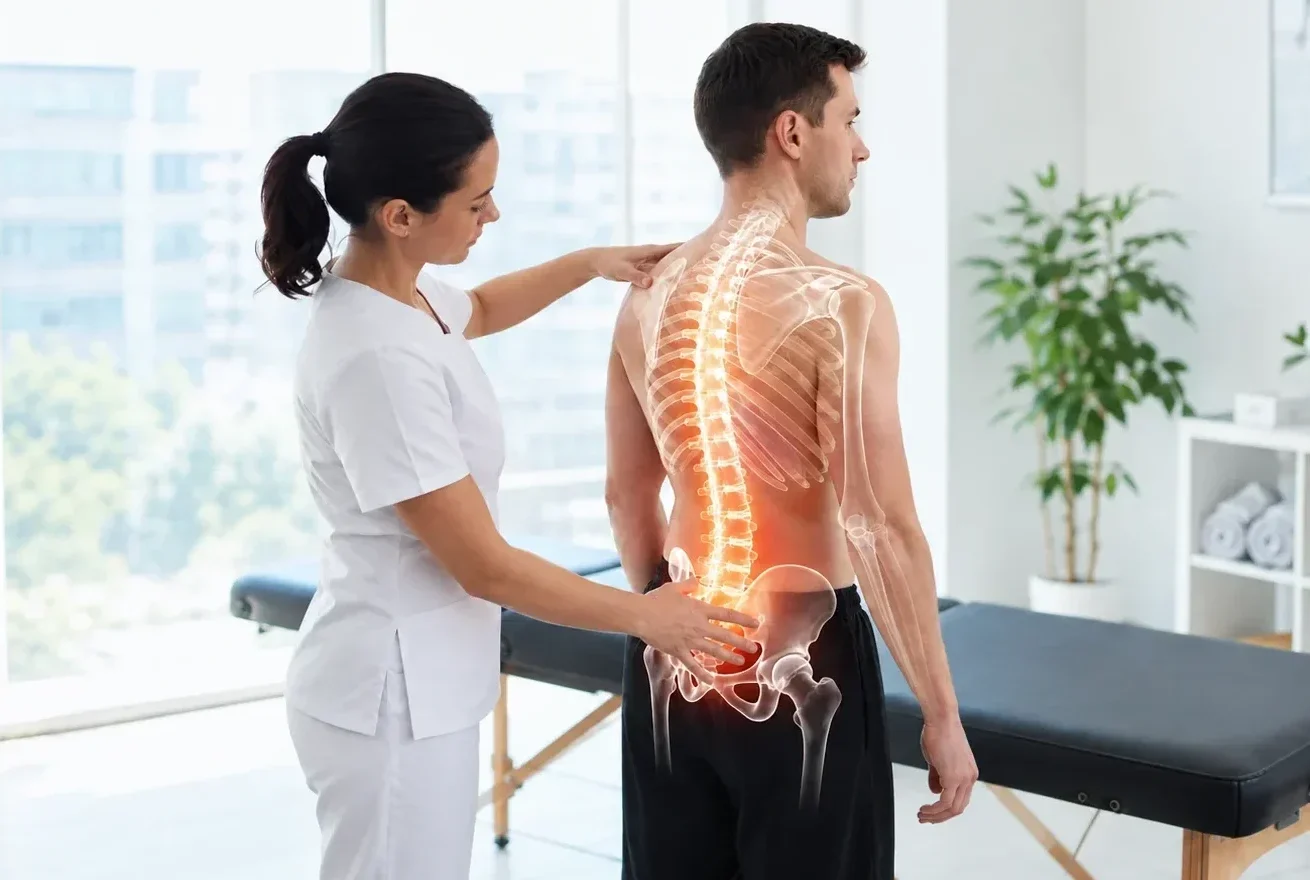
This review course offers a focused study of orthopedic pathology and treatment within the scope of massage therapy. It reinforces core anatomy, physiology, and pathology while introducing therapeutic techniques for common orthopedic conditions. Students will strengthen critical thinking skills and learn to apply theory to hands-on practice within a safe, ethical, and client-centred framework.
By the end of the course, students will be better prepared to address conditions such as hyperkyphosis, hyperlordosis, scoliosis, fractures and dislocations, arthritis, compartment syndrome, plantar fasciitis, pes planus, iliotibial band contracture, and bursitis with confidence and clinical effectiveness.
Introduction to the Course

Chapter 1 - Hyper Kyphosis


Chapter 2 - Hyper Lordosis
Chapter 3: Scoliosis
Chapter 4: Fracture/Dislocation
Chapter 5: Arthritis
Chapter 6: Compartment Syndrome
Chapter 7: Plantar Fasciitis
Chapter 8: Pes Planus
Chapter 9: Iliotibial Band Contracture
What is the difference between hyperkyphosis and hyperlordosis?
Hyperkyphosis is an exaggerated outward curve of the thoracic spine, giving a rounded upper back. Hyperlordosis is an exaggerated inward curve of the lumbar spine, sometimes called swayback. Each comes with a typical muscle imbalance: tight pectorals and weak mid-back muscles in kyphosis, and tight hip flexors and low back muscles with weak abdominals and glutes in lordosis.
Can massage correct scoliosis?
Massage cannot straighten a structural scoliosis, where the spine itself is curved and rotated. It can reduce muscle tension, ease discomfort, and improve breathing and mobility. A functional scoliosis, caused by things like muscle imbalance or a leg-length difference, may improve when the underlying cause is treated.
Is it safe to massage a client after a fracture?
Never massage directly over a fracture that has not healed. While the area is immobilized, you can treat the areas above and below it and the other side of the body. After the cast or brace comes off, massage helps with stiffness, adhesions, and range of motion, once the client has medical clearance.
What is compartment syndrome?
Compartment syndrome is a build-up of pressure inside a closed muscle compartment, most often in the lower leg, that cuts off circulation and nerve supply. Acute compartment syndrome causes severe pain that is out of proportion to the injury and is a medical emergency, so refer immediately. Chronic exertional compartment syndrome brings on symptoms with exercise that ease with rest.
What is plantar fasciitis, and how does massage help?
Plantar fasciitis is irritation and degeneration of the plantar fascia, the thick band along the sole of the foot. The classic sign is sharp heel pain with the first steps in the morning. Treatment focuses on the calf muscles, the foot's intrinsic muscles, and the plantar fascia, combined with stretching and home exercises.
Stars 5
5
Stars 4
0
Stars 3
0
Stars 2
0
Stars 1
0