Massagemanual

Musculoskeletal Pathology & Treatments – STRiVE Course

Musculoskeletal-Pathology
Instructor
Frankie
102 Students enrolled
5
5 reviews
  • Description
  • Curriculum
  • FAQ
  • Reviews

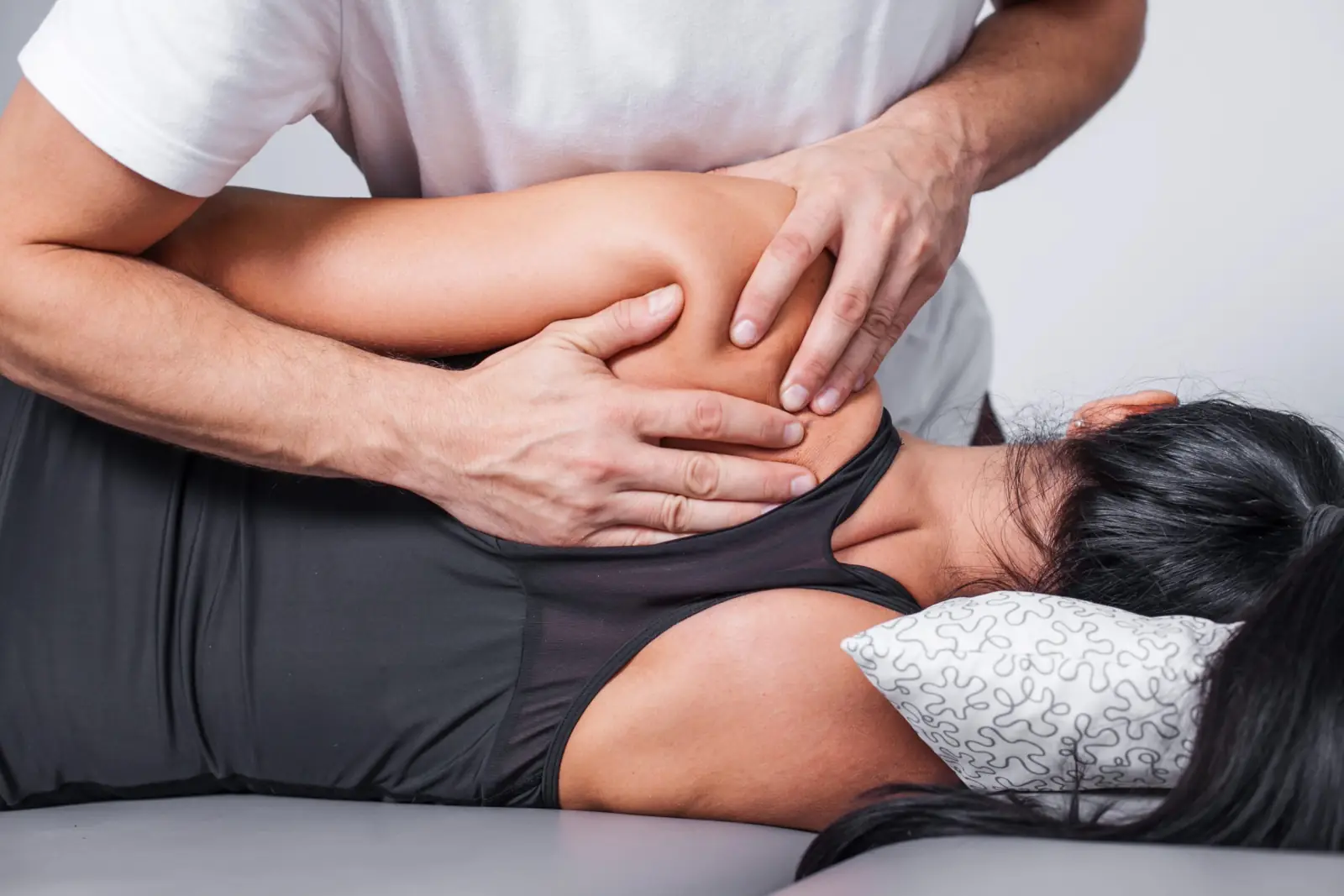
This review course provides a focused exploration of musculoskeletal pathology and treatment within the scope of massage therapy. It strengthens your clinical foundation by covering essential anatomy, physiology, and pathology while introducing a range of therapeutic techniques for musculoskeletal conditions. You will build critical thinking skills and learn to connect theory with hands-on practice in a safe, ethical, and client-centred framework.

By the end of the course, you will be prepared to address conditions such as TMJ dysfunction, torticollis, whiplash, frozen shoulder, Dupuytren’s contracture, De Quervain’s tenosynovitis, strains, sprains, piriformis syndrome, and patellofemoral syndrome with greater confidence and clinical effectiveness.

What is the difference between a strain and a sprain?
A strain is an injury to a muscle or tendon, while a sprain is an injury to a ligament. Both are graded from 1 (mild stretching) to 3 (a complete tear). The grade and the stage of healing guide how gently or how deeply you treat.Your membership includes:
• Unlimited viewing of all lesson content
• The ability to revisit lessons and retake quizzes as needed
• Freedom to study at your own pace
How does massage help after a whiplash injury?
Whiplash is a neck injury caused by a sudden back-and-forth movement of the head, often in a car accident. Once fractures and neurological signs have been ruled out, early treatment is gentle and aims to reduce pain and muscle guarding. Later treatment restores range of motion and addresses muscles such as the sternocleidomastoid, scalenes, and suboccipitals.
What are the stages of frozen shoulder?
Frozen shoulder (adhesive capsulitis) usually moves through three stages: freezing (increasing pain), frozen (stiffness with less pain), and thawing (gradual return of movement). External rotation is typically the most limited movement, followed by abduction and internal rotation. Treatment changes with each stage, from pain relief early on to restoring mobility later.
What is piriformis syndrome?
Piriformis syndrome happens when a tight or irritated piriformis muscle compresses the sciatic nerve. Clients feel pain deep in the buttock that may travel down the back of the thigh. It is important to tell it apart from sciatica caused by a lumbar disc, and the course shows how to assess and treat it.
What causes TMJ dysfunction, and which muscles are involved?
TMJ dysfunction causes jaw pain, clicking, and difficulty opening the mouth, often linked to clenching, grinding, stress, or posture. The key muscles are the masseter, temporalis, and pterygoids. Intraoral techniques require the client's informed consent and must follow your regulatory college's standards.
5.0
5 reviews
Stars 5
5
Stars 4
0
Stars 3
0
Stars 2
0
Stars 1
0
Share
Certificate included
Course available for 60 days
Course details
Duration 656 Minutes
Lectures 34
Video 402 Minutes
Quizzes 10
Level Advanced
Certificate of Completion