

- Description
- Curriculum
- FAQ
- Reviews
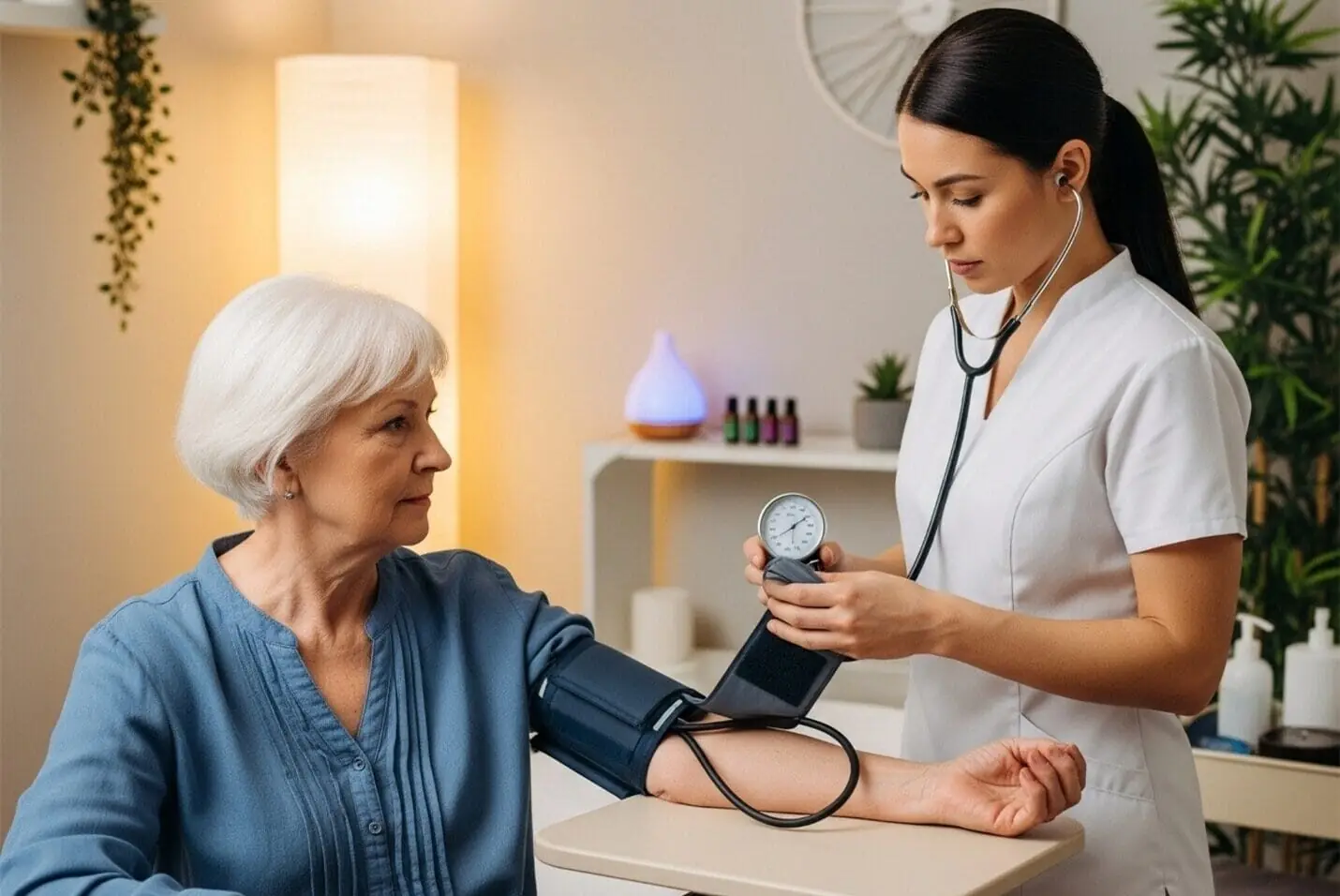
This dynamic review course provides an in‑depth exploration of systemic pathology and its treatment within the scope of massage therapy. Designed to strengthen your clinical foundation, it integrates essential anatomy, physiology, and pathology with a wide range of therapeutic approaches for systemic conditions. You’ll refine your critical‑thinking skills and learn to connect theory with hands‑on practice in a safe, ethical, and client‑centered framework.
By the end of the course, you will be prepared to address a broad spectrum of conditions—including cardiovascular disorders, respiratory disorders, gastrointestinal disorders, endocrine disorders, immune and lymphatic disorders, integumentary disorders, genitourinary disorders, reproductive disorders, and much more—equipping you for confident and effective clinical work.
-
4
 Free Preview
-
5
1.1 - Cardiovascular System - Lecture Video Part 1
-
6
1.2 - Cardiovascular System - Lecture Video Part 2
-
7
 1.3 - Cardiovascular System - Case Study 1
-
8
1.4 - Cardiovascular System - Case Study 2
-
9
1.5 - Cardiovascular System - Case Study 3
-
10
1.6 - Cardiovascular System - Case Study 4
-
11
1.7 - Cardiovascular System - Case Study 5
-
12
1.8 - Cardiovascular System - Case Study 6
-
13
1.9 - Cardiovascular System - Case Study 7
-
14
 1.10 - Cardiovascular System - Quiz
-
15
2.1 - Respiratory System - Lecture Video Part 1
-
16
2.2 - Respiratory System - Lecture Video Part 2
-
17
2.3 - Respiratory System - Case Study 1
-
18
2.4 - Respiratory System - Case Study 2
-
19
2.5 - Respiratory System - Case Study 3
-
20
2.6 - Respiratory System - Case Study 4
-
21
2.7 - Respiratory System - Case Study 5
-
22
2.8 - Respiratory System - Case Study 6
-
23
2.9 - Respiratory System - Case Study 7
-
24
2.10 - Respiratory System - Case Study 8
-
25
2.11 - Respiratory System - Case Study 9
-
26
2.12 - Respiratory System - Case Study 10
-
27
2.13 - Respiratory System - Quiz
-
28
3.1 - Gastrointestinal System - Lecture Video Part 1
-
29
3.2 - Gastrointestinal System - Lecture Video Part 2
-
30
3.3 - Gastrointestinal System - Lecture Video Part 3
-
31
3.4 - Gastrointestinal System - Case Study 1
-
32
3.5 - Gastrointestinal System - Case Study 2
-
33
3.6 - Gastrointestinal System - Case Study 3
-
34
3.7 - Gastrointestinal System - Case Study 4
-
35
3.8 - Gastrointestinal System - Case Study 5
-
36
3.9 - Gastrointestinal System - Case Study 6
-
37
3.10 - Gastrointestinal System - Case Study 7
-
38
3.11 - Gastrointestinal System - Quiz
-
39
4.1 - Endocrine System Conditions Lecture Video
-
40
4.2 - Endocrine System Conditions - Case Study 1
-
41
4.3 - Endocrine System Conditions - Case Study 2
-
42
4.4 - Endocrine System Conditions - Case Study 3
-
43
4.5 - Endocrine System Conditions - Case Study 4
-
44
4.6 - Endocrine System Conditions - Case Study 5
-
45
4.7 - Endocrine System Conditions - Quiz
-
46
5.1 - Immune and Lymphatic System Conditions Lecture Video
-
47
5.2 - Immune and Lymphatic System Conditions - Case Study 1
-
48
5.3 - Immune and Lymphatic System Conditions - Case Study 2
-
49
5.4 - Immune and Lymphatic System Conditions - Case Study 3
-
50
5.5 - Immune and Lymphatic System Conditions - Case Study 4
-
51
5.6 - Immune and Lymphatic System Conditions - Case Study 5
-
52
5.7 - Immune and Lymphatic System Conditions - Quiz
-
53
6.1 - Integumentary System Conditions Lecture Video
-
54
6.2- Integumentary System Conditions - Case Study 1
-
55
6.3- Integumentary System Conditions - Case Study 2
-
56
6.4- Integumentary System Conditions - Case Study 3
-
57
6.5- Integumentary System Conditions - Case Study 3
-
58
6.6- Integumentary System Conditions - Case Study 4
-
59
6.7- Integumentary System Conditions - Quiz
-
60
7.1 - Genitourinary System Conditions Lecture Video
-
61
7.2 - Genitourinary System Conditions - Case Study 1
-
62
7.3 - Genitourinary System Conditions - Case Study 2
-
63
7.4 - Genitourinary System Conditions - Case Study 3
-
64
7.5 - Genitourinary System Conditions - Case Study 4
-
65
7.6 - Genitourinary System Conditions - Quiz